
Honest roasts with the bold taste of the highlands
Longhe Arabica Coffee is carefully selected from H’mong family coffee plots grown above 1,000 m in Long He and around the Pha Din pass.
The harsh climate ripens the cherries slowly, giving a deep chocolate body, citrus notes and a hint of star anise and cinnamon.
700–1,500 m highlands
Arabica from Long He, Thuan Chau and the Pha Din pass, Son La.
Wet processed
Only large, ripe red cherries go into processing.
Screen 16+
After colour sorting, 2,000 tonnes of cherry yield 200 tonnes of green coffee.
Categories
Find your coffee style
Best sellers
Customer favorites
-
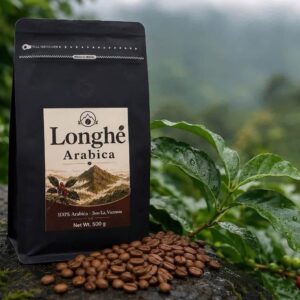
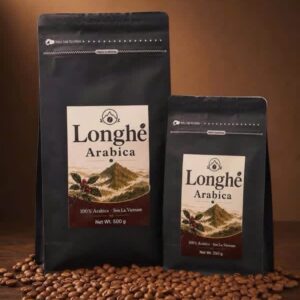
Arabica Sơn La – Cà phê sạch
Price range: 95.000 ₫ through 340.000 ₫Select options This product has multiple variants. The options may be chosen on the product page -
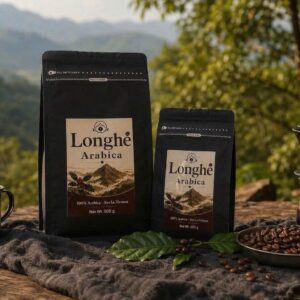
Arabica Sơn La – Đặc biệt
Price range: 140.000 ₫ through 520.000 ₫Select options This product has multiple variants. The options may be chosen on the product page -
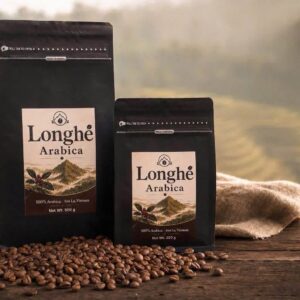
Arabica Sơn La – Chất lượng cao
Price range: 125.000 ₫ through 460.000 ₫Select options This product has multiple variants. The options may be chosen on the product page -
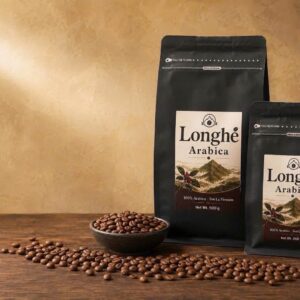
Arabica Sơn La – Đặc sản
Price range: 160.000 ₫ through 600.000 ₫Select options This product has multiple variants. The options may be chosen on the product page
Sharing
Articles & Guides
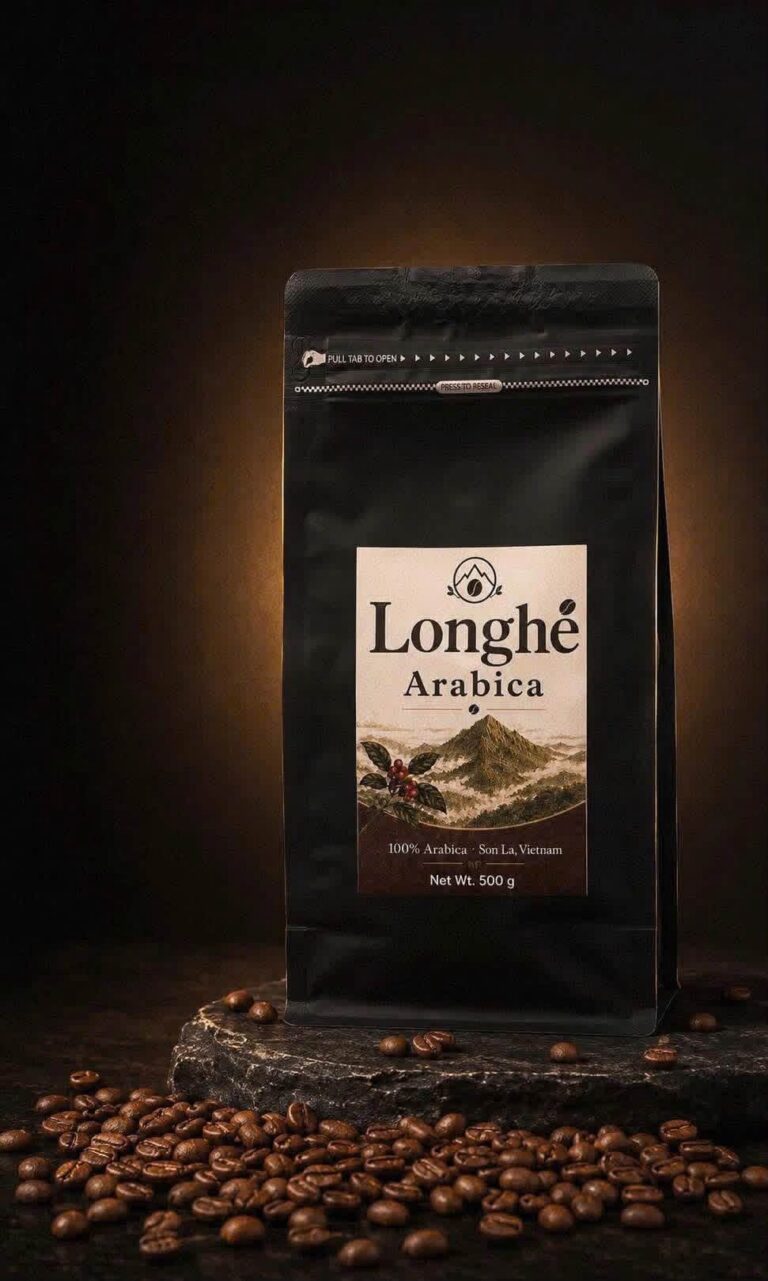
Long Hẹ cho doanh nghiệp: Giải pháp nguyên liệu cà phê B2B
Với nguồn gốc rõ ràng từ Sơn La, nguyên liệu Arabica vùng cao, quy trình tuyển quả chín,…
Đọc thêm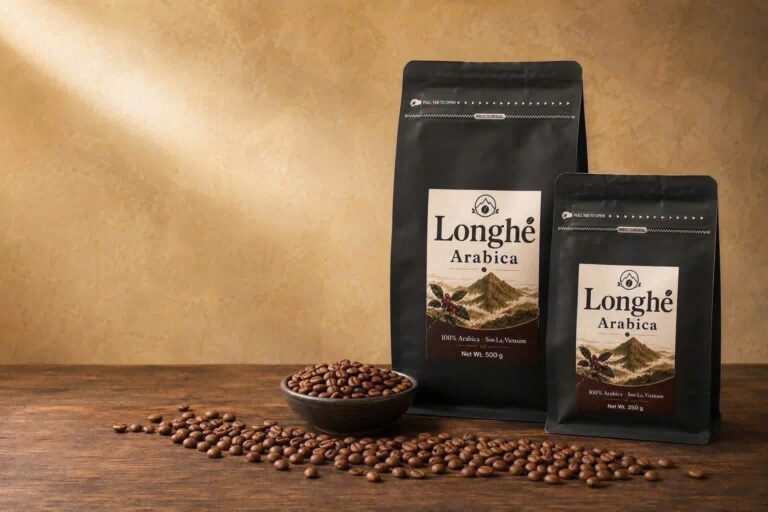
Quy cách đóng gói 250 g, 500 g, 1 kg, 1 lb: Chọn loại nào phù hợp?
Phần cuối cùng trong mã sản phẩm Long Hẹ là quy cách đóng gói — khối lượng mỗi…
Đọc thêm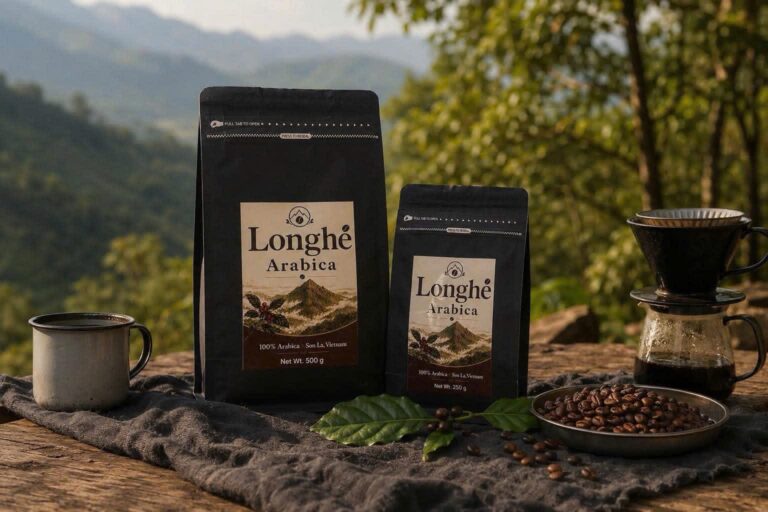
Chọn đúng độ xay cho từng cách pha: Từ Espresso đến Cold Brew
Phần thứ ba trong mã sản phẩm Long Hẹ thể hiện dạng hạt hoặc mức xay — yếu…
Đọc thêm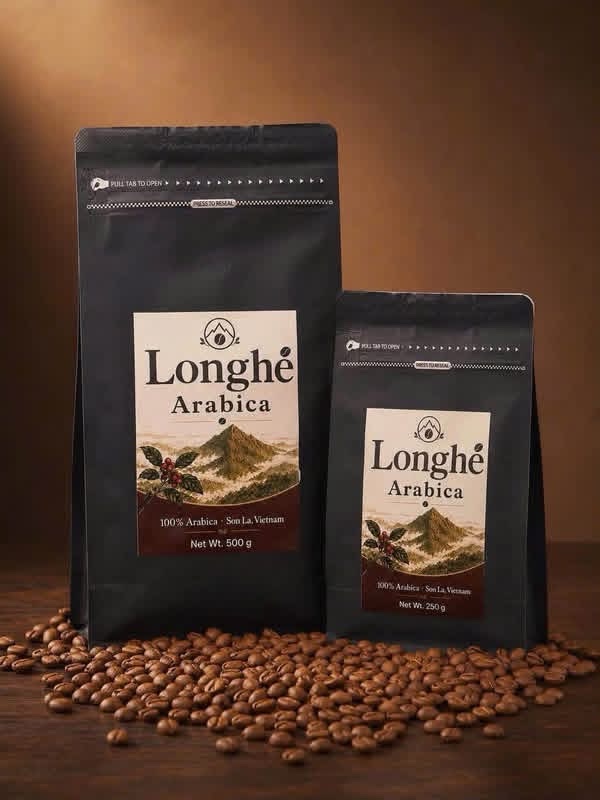
Mức rang Light – Medium – Medium-Dark: Khác biệt và cách chọn
Trong mã sản phẩm Long Hẹ, ký hiệu mức rang là phần thứ hai, ngay sau dòng cà…
Đọc thêm
Đọc hiểu mã sản phẩm Long Hẹ: A02, A03, A05 khác nhau thế nào?
Mỗi gói cà phê Long Hẹ đều mang một mã sản phẩm theo cấu trúc: [Dòng cà phê].[Mức…
Đọc thêm
Giải mã nốt hương thảo quả trong cà phê Long Hẹ
Về cảm quan, cà phê Long Hẹ được định hướng với nốt hương đặc trưng của thảo quả,…
Đọc thêm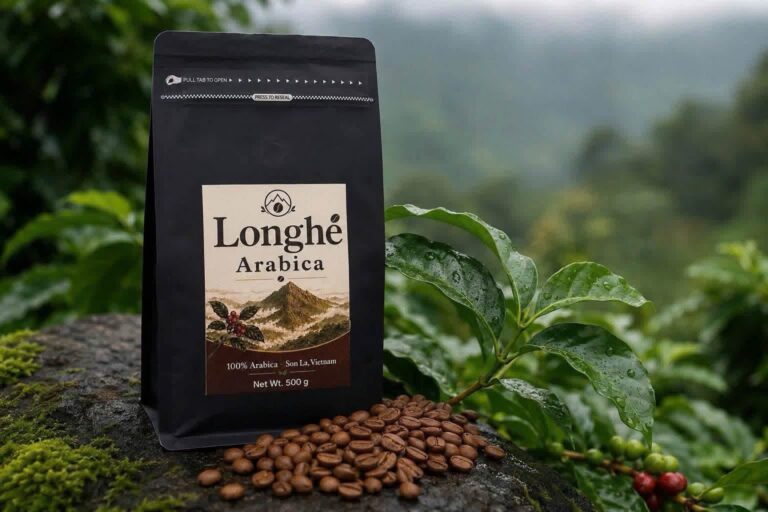
Vì sao Long Hẹ chọn phương pháp chế biến ướt?
Phương pháp chế biến ướt được Long Hẹ lựa chọn nhằm làm nổi bật đặc tính tự nhiên…
Đọc thêm
Vì sao chỉ 10% quả cà phê được chọn làm hạt Long Hẹ?
Sản lượng thu hoạch từ vùng trồng của chúng tôi vào khoảng 110.000 tấn quả cà phê mỗi…
Đọc thêm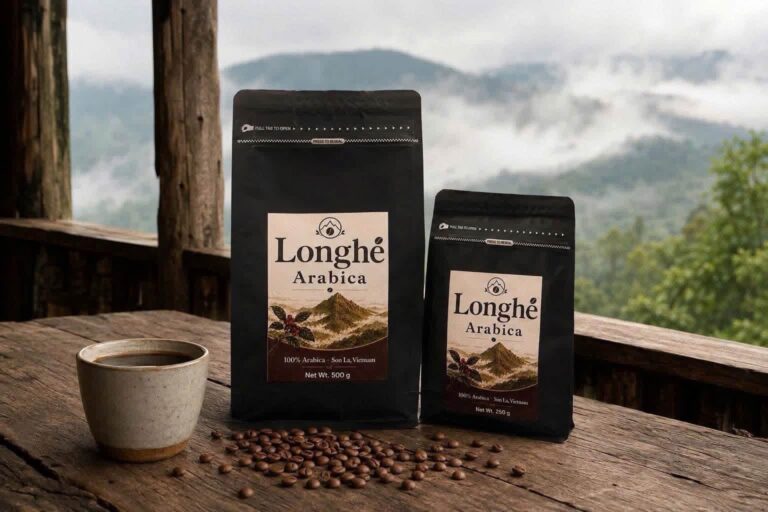
Sơn La – vùng Arabica trọng điểm Việt Nam: Những con số đáng chú ý năm 2026
Sơn La hiện là một trong những vùng sản xuất Arabica quan trọng nhất của Việt Nam. Theo…
Đọc thêm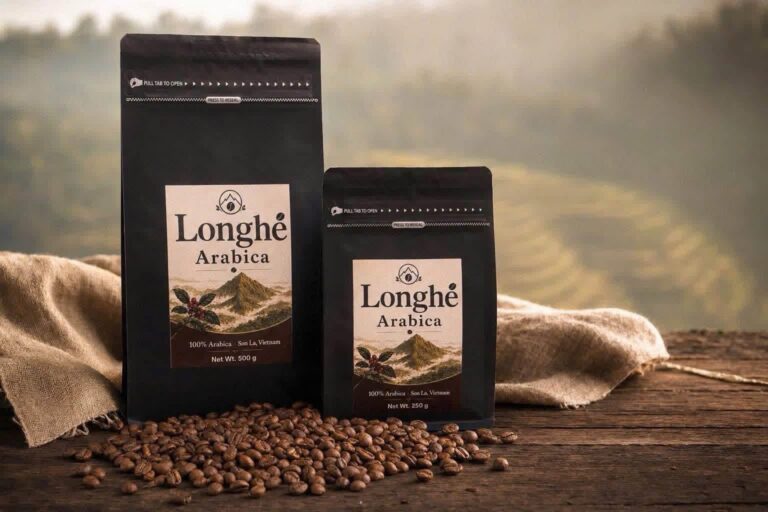
Hành trình cà phê Long Hẹ: Từ vùng cao Thuận Châu đến tách cà phê của bạn
Cà phê Long Hẹ được phát triển từ nguồn nguyên liệu Arabica tại vùng Long Hẹ và các…
Đọc thêmGrowing regions
From the farm to your cup
Long He coffee is built on Arabica from Long He and the neighbouring highlands of Thuan Chau, stretching toward the foot of the Pha Din pass in Son La — a cool, high-lying area with a marked day-to-night temperature swing. The sourcing area sits roughly 700–1,500 m above sea level, giving the cherries a longer ripening window that favours sugar accumulation and the character typical of highland Arabica.
Read more about our sourcing area
Son La is now one of the most important Arabica regions in Viet Nam. According to figures published by the province for 2026, it has around 33,600 ha of coffee, of which 19,951 ha are in production, with green coffee output estimated at 37,724 tonnes.
Within our sourcing area, Long He selects for quality rather than using the entire harvest. Out of roughly 110,000 tonnes of fresh cherry, about 2,000 tonnes of large, ripe red cherries in good condition are set aside for wet processing. Picking and sorting for ripe cherry only keeps out under-ripe, over-ripe and defective fruit, making the lot far more uniform before processing.
Wet processing turns those 2,000 tonnes of ripe cherry into roughly 400 tonnes of green coffee. The beans are then graded by size and quality, with Long He favouring screen size 16 and above. After screening and colour sorting, about 200 tonnes meet the criteria — only around 10% of the cherry selected at the start is kept for Long He’s selected range.
